
The Regional program is a key initiative of Wine Australia that seeks to actively encourage and support research and innovation in the Australian wine sector
The program aims to help grapegrowers and winemakers adopt new tools and research findings to support a competitive Australian wine sector.
The program allows grapegrowers and winemakers to:
- Identify their region’s highest priority research and innovation issues
- Evaluate new concepts and technology in their own region to measure regional benefits of adoption
- Identify aspects of production that will ensure the region is sustainable into the future
- Assist with the uptake of new tools and research findings.
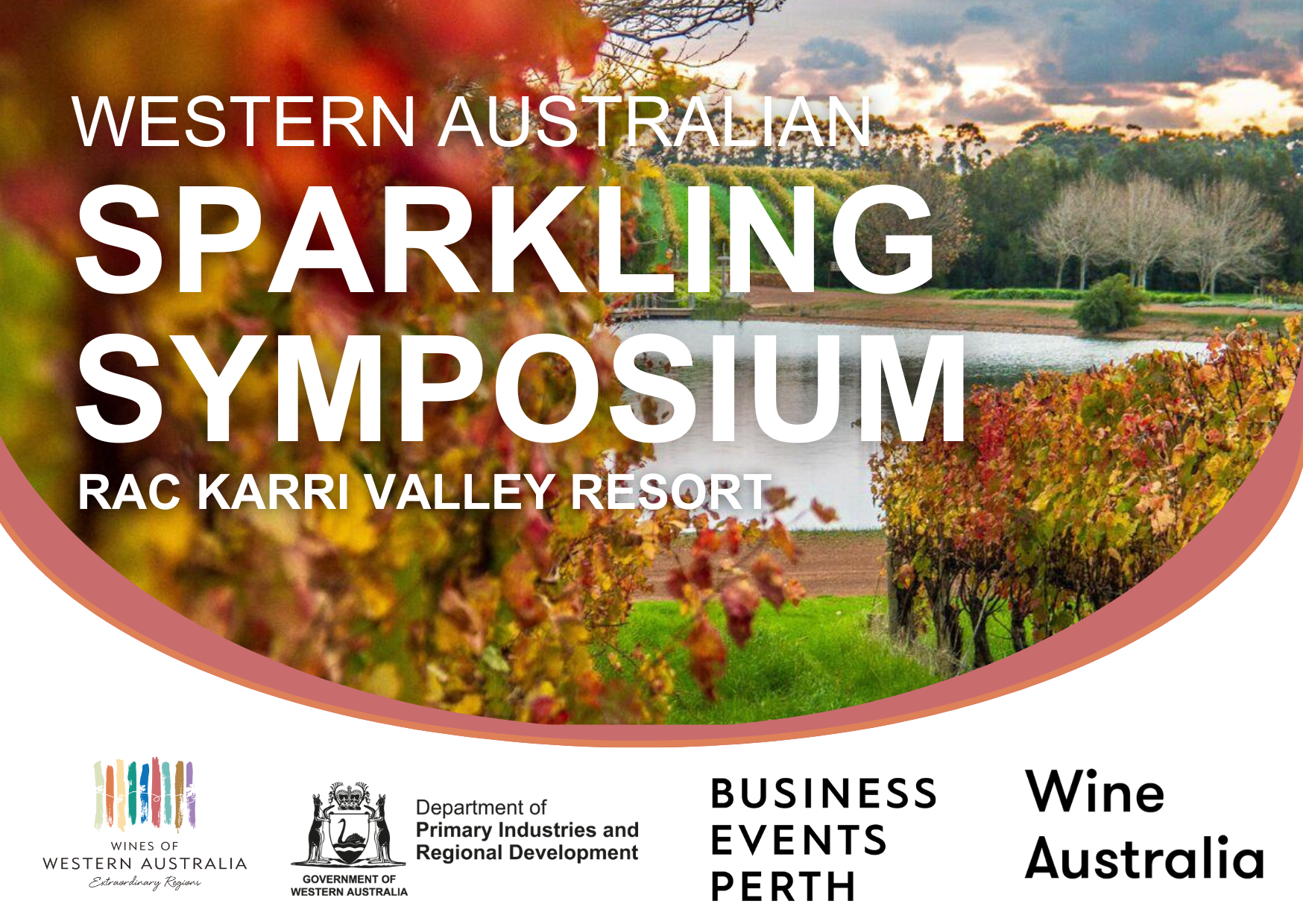
Western Australian Sparkling Symposium
Wines of Western Australia (WoWA) in collaboration with the Department of Primary Industry, Regional Development (DPIRD), Wine Australia and Business Events Perth proudly hosted the Western Australian Sparkling Symposium on August 7 2024. This event was a pivotal gathering for industry experts and the wine community at large, offering a deep dive into the technical foundations of fine sparkling wine production in the context of Western Australia.
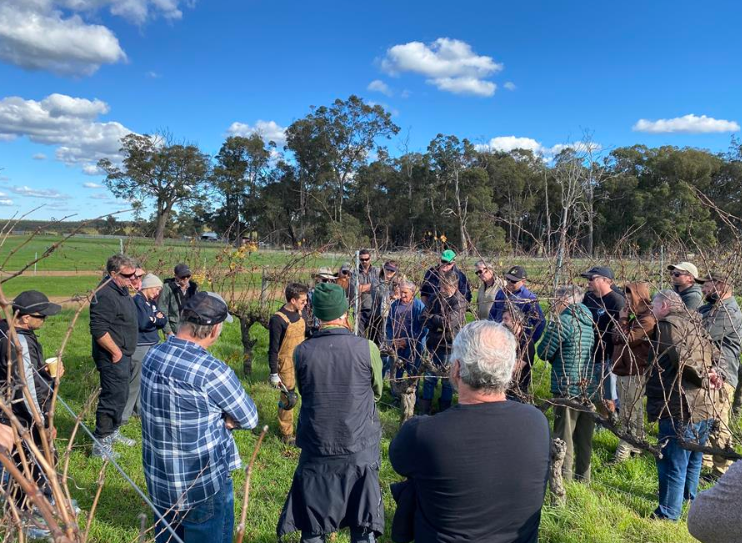
Re-thinking pruning workshops
SIMONIT&SIRCH consultant Andrea Bonfatti delivered pruning workshops to around 70 growers across the Swan Valley, Margaret River and Great Southern wine regions.
The workshops explored practical, vine-friendly pruning techniques designed to improve vine health, productivity and longevity.
“The Simonit & Sirch pruning workshop was a game changer — their vine-friendly approach and focus on longevity just made sense.” – Tayla Semmens-Winemaker, Bridgetown Winery
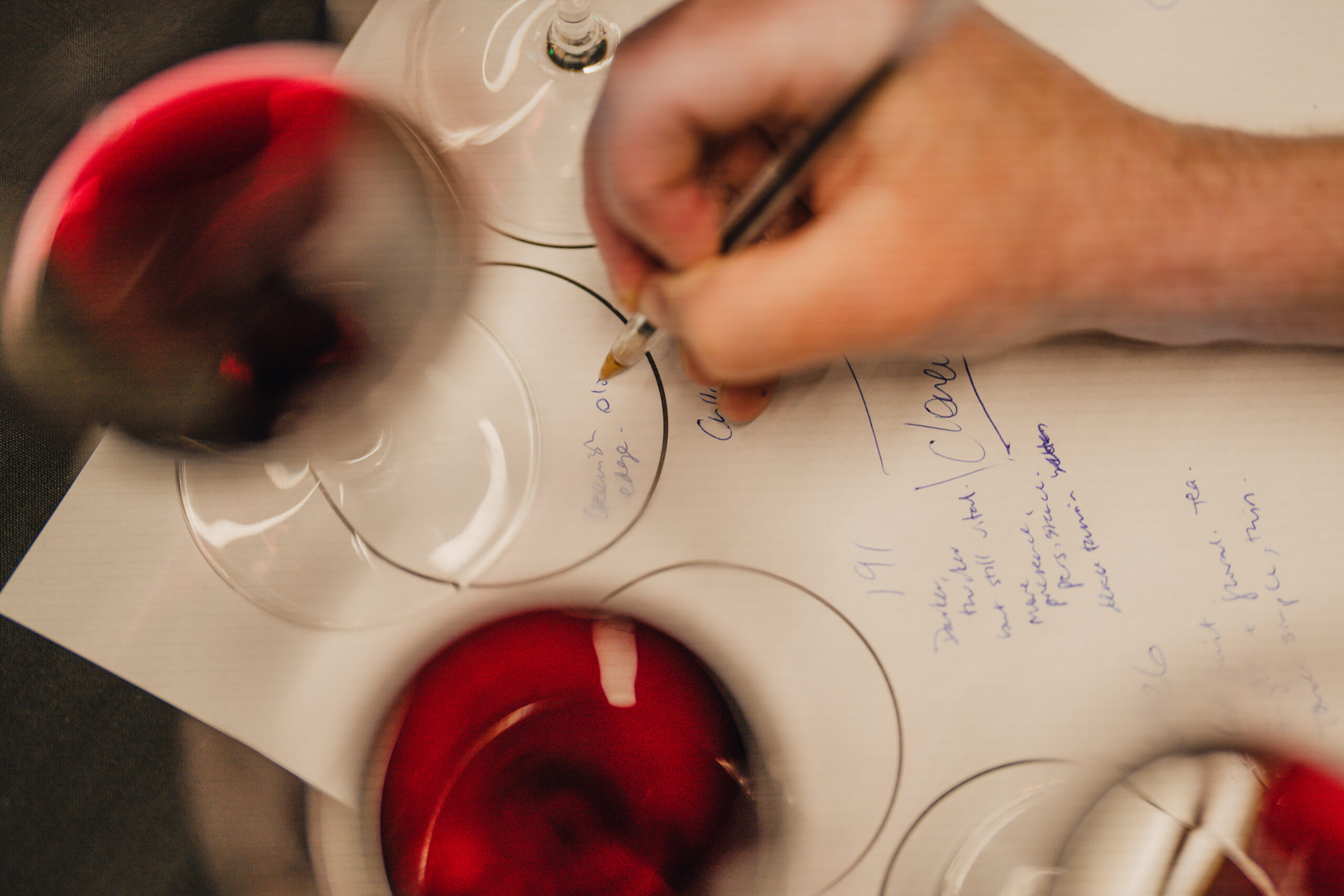
Understanding the intricacies of provenance in WA wine regions
Understanding what makes a wine region unique is important to both producers and consumers. DPIRD’s publication ‘Geology, soils and climate of WA’s wine regions’ describes the climatic and geophysical elements of all of WA’s wine regions in detail, however it does not discuss how these characteristics impact wine composition and sensory attributes.
A research project lead by DPIRD in partnership with Future Foods Systems CRC and Wines of WA (through the Wine Industry Export Growth Partnership) is currently completing its third and final year of wine sensory assessments and chemical profiling of Margaret River Chardonnay and Cabernet Sauvignon, and Great Southern Riesling and Shiraz. This data will be used to extrapolate relationships between a wine’s origin, composition and sensory profile. Key outcomes of the project are:
- Uncover the chemical fingerprint of wines from Margaret River and Great Southern’s unique terrains and climates.
- Identify sensory attributes that reflect these distinct environments.
- Correlate chemical profiles with sensory characteristics for each variety and locality.
- Equip the wine industry with scientific tools to confidently communicate the authenticity and exceptional qualities of WA wines. “This has been a valuable program to take part in, the way it’s set up takes all of the white noise out of winemaking, so that the loudest voice in the glass is the vineyard, not the winemaker.
I’m really looking forward to seeing the results! I was also blown away by the freshness and vitality of the 2024 Chardonnay and Cabernets, especially from such a warm and challenging year.” Glenn Goodall Xanadu Wines

Recap of clone and wild fermentation workshops
Interstate guest speaker Dr Anthony Borneman from the AWRI was joined by Jim Campbell-Clause (AHA Viticulture and WAVIA Chair) and Richard Fennessy (DPIRD) for a series of workshops held recently in Margaret River and the Great Southern.
The workshops focused on biosecurity, clones and wild fermentation.
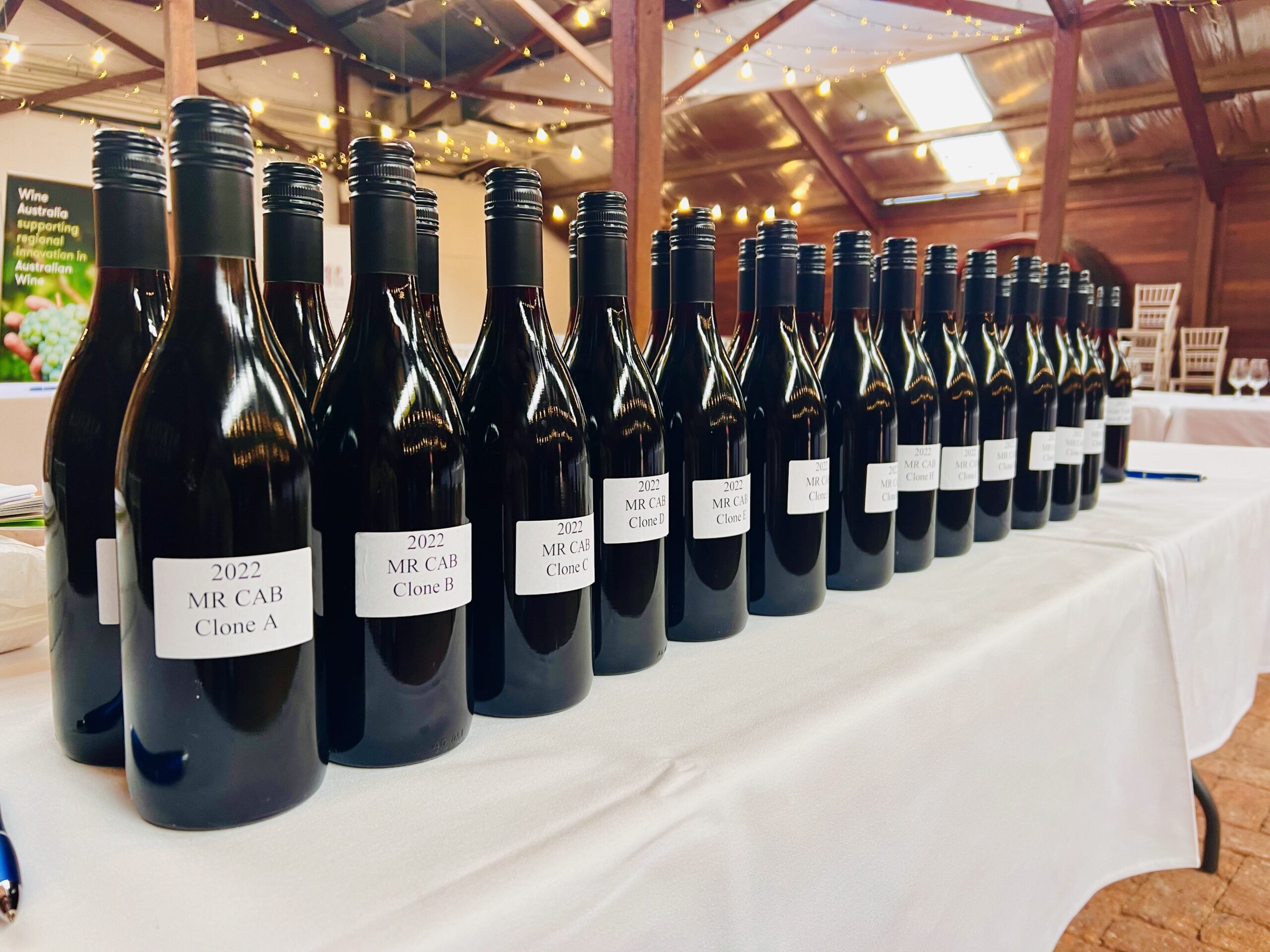
Cabernet Clonal tastings
Richard Fennessy has hosted a series of intimate 14 vintage vertical tastings, giving industry members the opportunity to experience the diversity of Cabernet Sauvignon clones firsthand.
These tastings are part of an industry-funded trial exploring 14 different clones grown in Western Australia’s South West, aimed at future-proofing vineyards against changing climate conditions. The clones—sourced from both Australian and international selections—highlight the genetic diversity and potential of Cabernet to adapt and thrive in evolving environments.
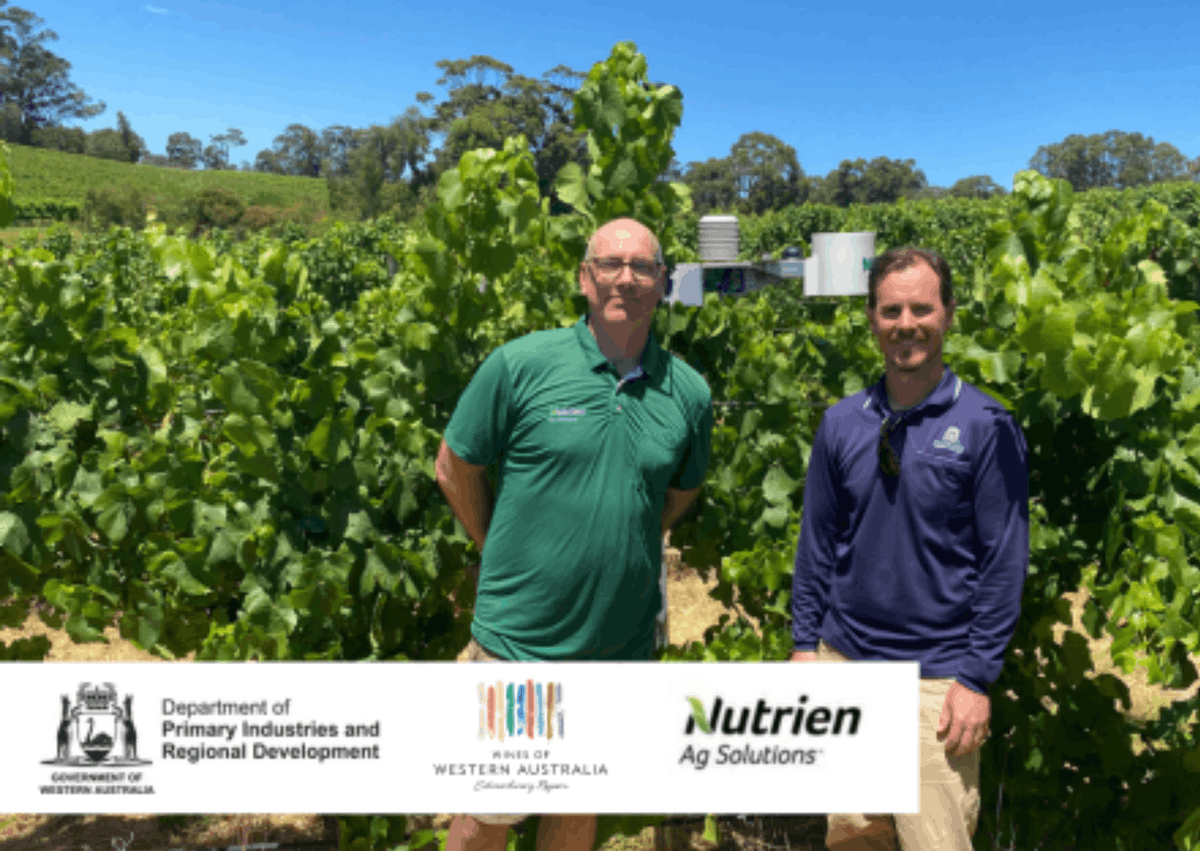
Nutrien Ag Supports Vital Weather Station Upgrades for WA Wine Regions
In a valuable boost for the wine industry, Nutrien Ag has sponsored the upgrade of four weather stations located across the Margaret River and Great Southern wine regions, with support from DPIRD and Wines of WA. Originally installed by DPIRD in 2022, these stations filled crucial gaps in coverage not serviced by existing DPIRD and BOM stations.
Used by viticulturists for spray programs and disease management, the stations provide critical data including leaf wetness — a feature particularly beneficial for managing vineyard disease risks
Following the recent shutdown of the 3G network, the stations required upgrades to maintain functionality, prompting Nutrien Ag to step in and financially support the transition to 4G.
This contribution ensures ongoing access to real-time and historical weather data through the FieldClimate platform. As one of Australia’s leading agribusinesses, Nutrien Ag supplies a broad range of services including farm supplies, agronomy advice and precision technology services, irrigation services, livestock services, insurance and even rural real estate — making them a key partner in agricultural sustainability and productivity.
Access to the weather data is accessible via the Field Climate website https://ng.fieldclimate.com/ using the following login details.
- User: DPIRDHORT
- Password: DPIRDweather22
A field climate app is also available from app stores which allows access to the weather data from your smart phone.

2024 Australian Cabernet Symposium – Supporting Cabernet into the Future
Australia’s only Cabernet Sauvignon conference, the Australian Cabernet Symposium (ACS), is coming forthe first time to both Margaret River and Coonawarra onThursday 1 February 2024.
Traditionally hosted by Coonawarra Grape and Wine Incorporated (CGWI) in Coonawarra, in 2024 thesymposium is being presented in association with Wines of Western Australia (WoWA) and sees the joiningof forces of Australia’s premier Cabernet Sauvignonproducing regions, Coonawarra and Margaret River.
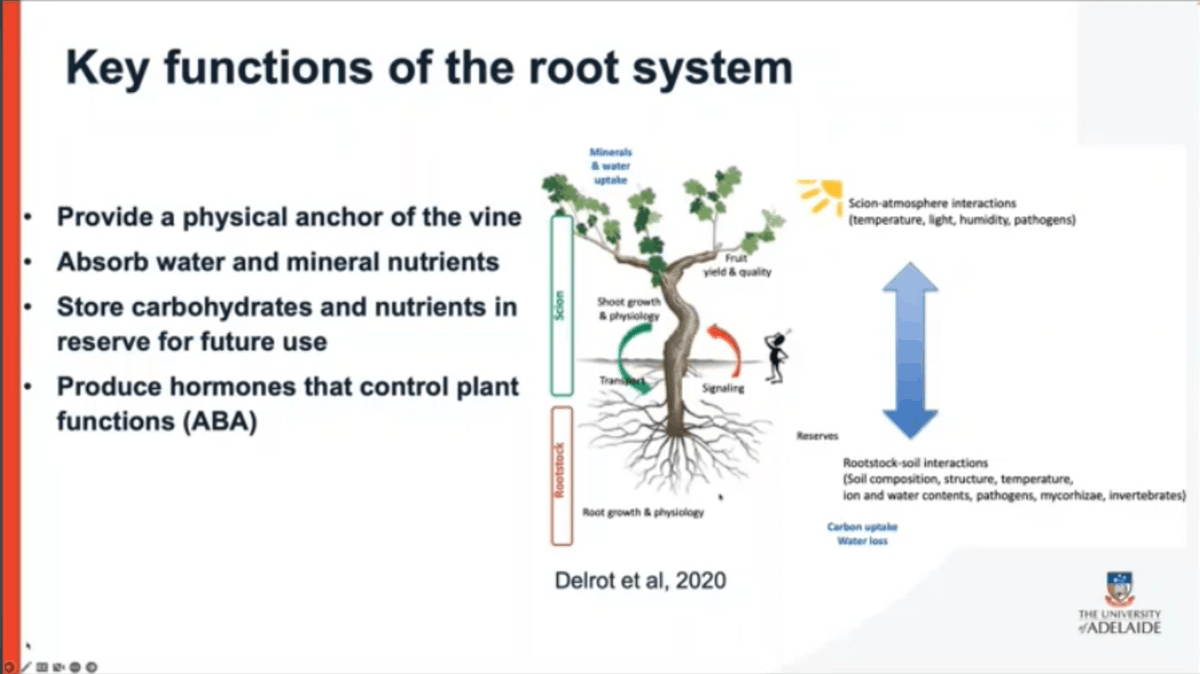
Soil Compaction Workshop
Significant work has been conducted on soil health and in particular soil compaction.
Researchers such as Alf Cass have been prolific in their publishing of technical articles on this subject, however it is believed that these learnings may not be extensively known to the upcoming generation of viticulturists in WA.
As vineyards approach +20 years of age, they have experienced considerable interrow traffic and observations are being made that some of these vineyards are experiencing yield decline.
It is believed that general yield decline across WA’s older vineyards is attributed to multiple factors, but it is plausible that soil compaction may be one of these. Recent trends towards zero cultivation to preserve and support soil health is popular but considering the above and local testimonies on the benefits of period cultivation, this activity aims to broaden the discussion and have producers assess soil compaction in their vineyards and action where applicable.
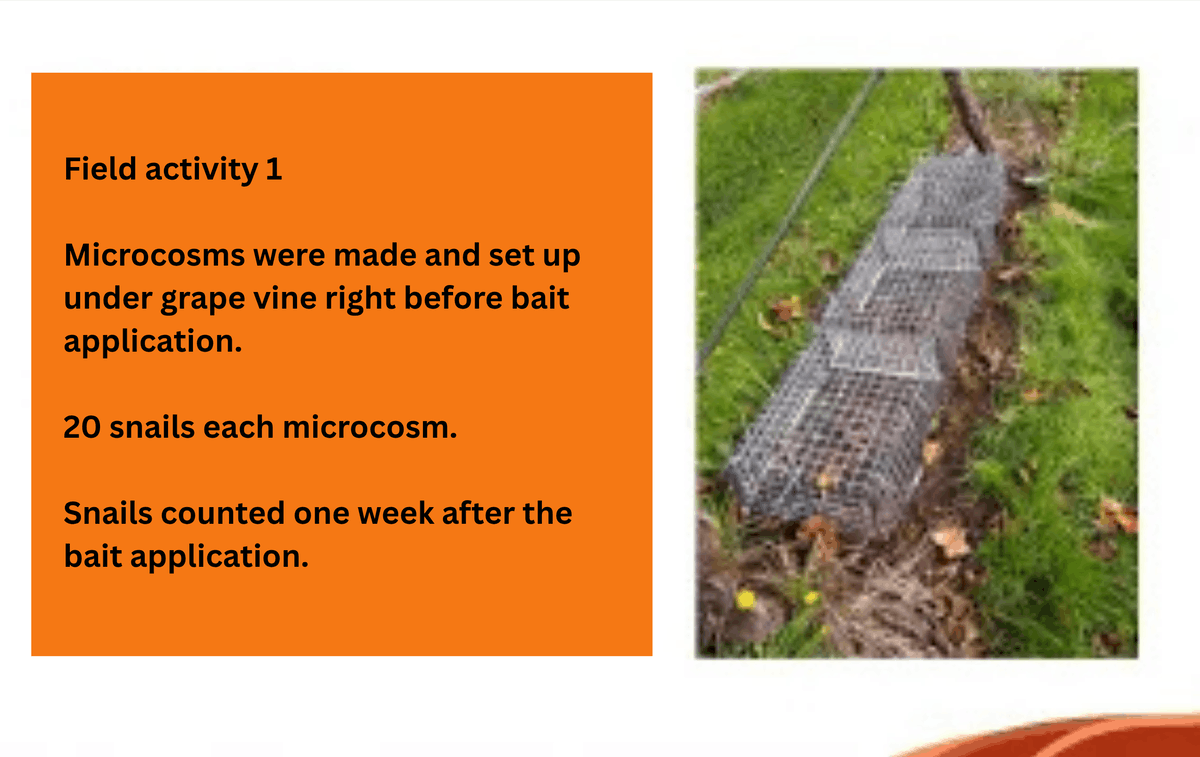
Snail Webinar – Integrated Pest Management Strategies
This webinar provides practical insights into managing snail pests in horticulture and viticulture. Viewers will learn about snail biology, life cycle, and the types of damage they cause to crops. The session covers effective monitoring techniques, cultural controls, physical barriers, and baiting strategies, all within an integrated pest management (IPM) framework.
Grapevine Virus Symposium
This symposium brings together leading researchers, viticulturists, and biosecurity specialists to examine the complex landscape of grapevine viruses and their impact on vine health and wine production. Presentations explore the biology and epidemiology of key viruses such as Grapevine Leafroll and Red Blotch, mechanisms of vector transmission, and recent advances in molecular diagnostics and high-throughput screening.
The program also highlights integrated management strategies — from clean plant programs and vector control to vineyard-level surveillance — and discusses the implications of virus infection on grape composition, yield, and wine quality. A must-watch for those engaged in viticulture science, plant pathology, or biosecurity research.
Garden Weevil Webinar
If you’re working in vineyards, you know that even small pests can have big impacts on vine health and fruit quality. The garden weevil—particularly species like Phlyctinus callosus—is one such pest that can quietly erode vineyard productivity by damaging both young shoots and root systems.
In this webinar, we’ll take a close look at the biology, behaviour, and seasonal patterns of garden weevils, with a focus on how they affect grapevines. More importantly, we’ll walk through proven monitoring techniques and integrated pest management (IPM) strategies tailored for vineyard environments.
Whether you’re managing a boutique block or a large commercial operation, this session will give you the tools to detect early, act strategically, and maintain the health and resilience of your vines.